


Mike Bygrave
Mike Bygrave is Director at Roseview Windows and a highly respected figure in the UK sash window industry. Having led the business for many years, he has been instrumental in shaping its direction and establishing Roseview as a leader in timber-alternative sash windows.
Mike’s experience spans both traditional design and modern manufacturing, giving him a unique perspective on how sash windows have evolved and where the market is heading today.
11/16/2026
What U-value measures, and how it works on windows
Two quotes land on a homeowner’s table. One window is 1.2 W/m²K. The other is 1.1 W/m²K. You can lose a job over a tenth of a point, and you may never find out that the two figures weren’t measuring the same thing.
What a U-value is
A U-value measures how quickly heat passes through a window. The lower the figure, the better the window insulates. It’s expressed in W/m²K: the watts of heat lost through each square metre for every degree of temperature difference between inside and outside.
Which number is it
The figure can describe different things.
A centre-pane figure describes the glass alone, away from the edges. A whole-window figure includes the frame, the spacer and the edge of the glass, all of which rarely perform as well as the middle of the pane. It describes the product you actually fit.
So a centre-pane figure will almost always look better than a whole-window figure for the same window. Neither is dishonest. Both can be quoted truthfully, which is exactly why the difference gets lost. They answer different questions, and a datasheet that doesn’t say which one it quotes is asking you to guess.
Specification matters just as much. The same window can carry several honest figures, depending on the glazing and any thermal upgrades specified. A number with no specification attached tells you very little.
We always give whole-window values. Ultimate Rose and Heritage Rose reach 1.2 W/m²K with upgraded glazing and ThermoVFlex. It’s the harder number to achieve, because the frame has to do its share as well as the glass.
Homeowners rarely ask which U-value they’re being shown. They ask why one quote is cheaper, or why one window is supposed to be better. If another supplier’s figure beats yours, ask two questions before you reach for the discount. Is it whole-window? And which specification does it apply to? A supplier confident in the figure won’t mind, and one who can’t answer has told you something too. It can settle the comparison on the spot, and it’s an answer you can give in the living room.
What happens to it on site
A U-value belongs to a specification. It describes the window as specified, not the window as fitted.
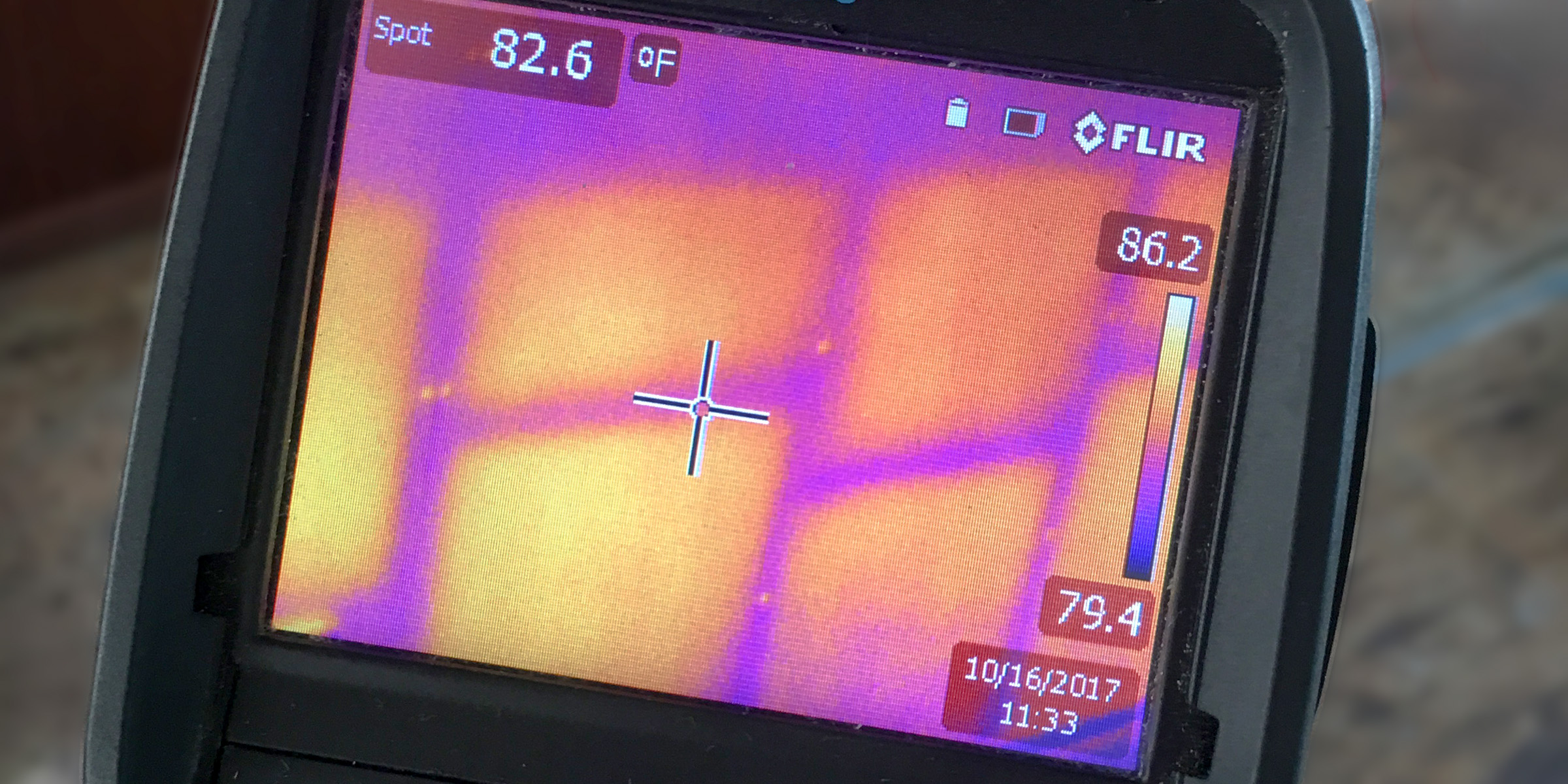
Once the window is in the opening, other things take over: gaps around the frame, cavity closers that are missing or badly placed, a reveal left uninsulated, sealing rushed at the head. Any of these can undermine a well-made window, whoever made it, ours included. The datasheet has never seen the window aperture.
We’d rather say so than let a datasheet imply otherwise. A good U-value fitted carefully will serve the homeowner better than a better figure fitted badly.
When a homeowner rings about a cold room or a draught, they won’t be reading the datasheet. They’ll be looking at the window and how it’s fitted.
Ask what the U-value measures
None of this is a reason to distrust a U-value. It’s a reason to read one properly. Ask what it measures. Ask which specification achieves it. Then fit the window as well as the figure deserves.
To learn more about the thermal performance of Roseview’s sash windows, including our glazing upgrades and ThermoVFlex technology, visit our Energy Efficiency & Ventilation page.
Tags: building regulations, Charisma Rose, Document L, energy efficiency, Heritage Rose, U-values, Ultimate Rose
 What A U Value Is