



03/30/2026
Heritage Windows: Why Design Matters More Than Materials
This article was originally published in Glass Times
Mike Bygrave, director at sash window manufacturer Roseview Windows, explains why thoughtful design is the real key to successful heritage window projects.
When talking about heritage windows, the conversation turns quickly to conservation areas and planning rules. That’s understandable; conservation policies exist to protect the character of an area, and windows play an important role.
But the underlying principles apply far more widely. Whether a property sits inside a conservation area or not, homeowners want replacement windows that suit their period properties without standing out.
This is where much of the confusion around heritage windows begins. The debate is often framed around materials, especially timber versus uPVC. In reality, the question that matters most is much simpler: does the window look and feel right? Planning guidance for non-listed heritage windows references “similar appearance”, so the goal is to preserve character rather than match original materials.
WHY DETAILS MATTER
Over centuries, traditional sash windows developed visual cues that still define many British homes and streets. Slim frames and sashes kept the frame-to-glass ratio light and balanced. External putty glazing created the simple chamfered sightlines associated with traditional timber windows. Details such as sash horns, deep bottom rails and slim midrails were fundamental to the overall look.
On modern equivalents, even small details make a difference. A seamless, stepless midrail keeps the meeting rail clean and uninterrupted, while properly integrated glazing bars maintain the impression of traditional divided panes. How the window sits within the wall also matters, with traditional box sashes typically recessed into the masonry rather than sitting flush with the reveal.
Individually, none of these elements defines a sash window. But when they are handled correctly and designed to work together, they create the balanced appearance that homeowners instinctively recognise.
Problems arise when those details are overlooked.
Over the past 40 years many replacement windows have ignored these fundamentals. Casements were fitted into sash openings, proportions changed and bulky, overly fussy profiles replaced slim frames and sashes. It wasn’t the material that caused the problem. It was the design.
That experience still shapes how homeowners and conservation officers approach window replacements today. If a new window disrupts the character of a building, it will attract attention quickly.
MORE THAN THE SUM OF ITS PARTS
For manufacturers and installers working with heritage properties, this is where cohesive design becomes important.
A convincing heritage-style window isn’t created by simply adding decorative extras; the entire window needs to be designed as one. Proportions, sightlines, construction methods and finishing details all need to work together. When they do, the result feels natural. When they don’t, the window looks slightly off, even if it’s hard to say why.
Construction plays a role here too. Traditional timber sash windows were built using mortice and tenon joints, with horizontal joints across the frame and vertical joints on the sashes. The orientation wasn’t an accident; it provided strength. Many modern windows use welded corners instead. Structurally there’s nothing wrong with that, but visually it creates a different cue that people notice.
The same principle applies to glazing lines, profiles and finishing details. None of these features exists in isolation. Together they shape the overall impression. It’s the difference between designing a window from the ground up and simply adapting a modern window to look more traditional.
GETTING THE BALANCE RIGHT
For installers working on period properties, understanding these fundamentals can make selling windows for heritage projects far less daunting.
The aim isn’t to recreate the past exactly. It’s to install windows that respect the character of the building while delivering the benefits people expect from modern glazing, such as improved energy efficiency, security and lower maintenance. When the design fundamentals are right, that balance becomes much easier to achieve, regardless of the material used.
Ultimately, successful heritage windows are not about one feature or material. They’re about how all the pieces work together. When done properly, the result passes the simplest test of all: the window looks like it belongs.

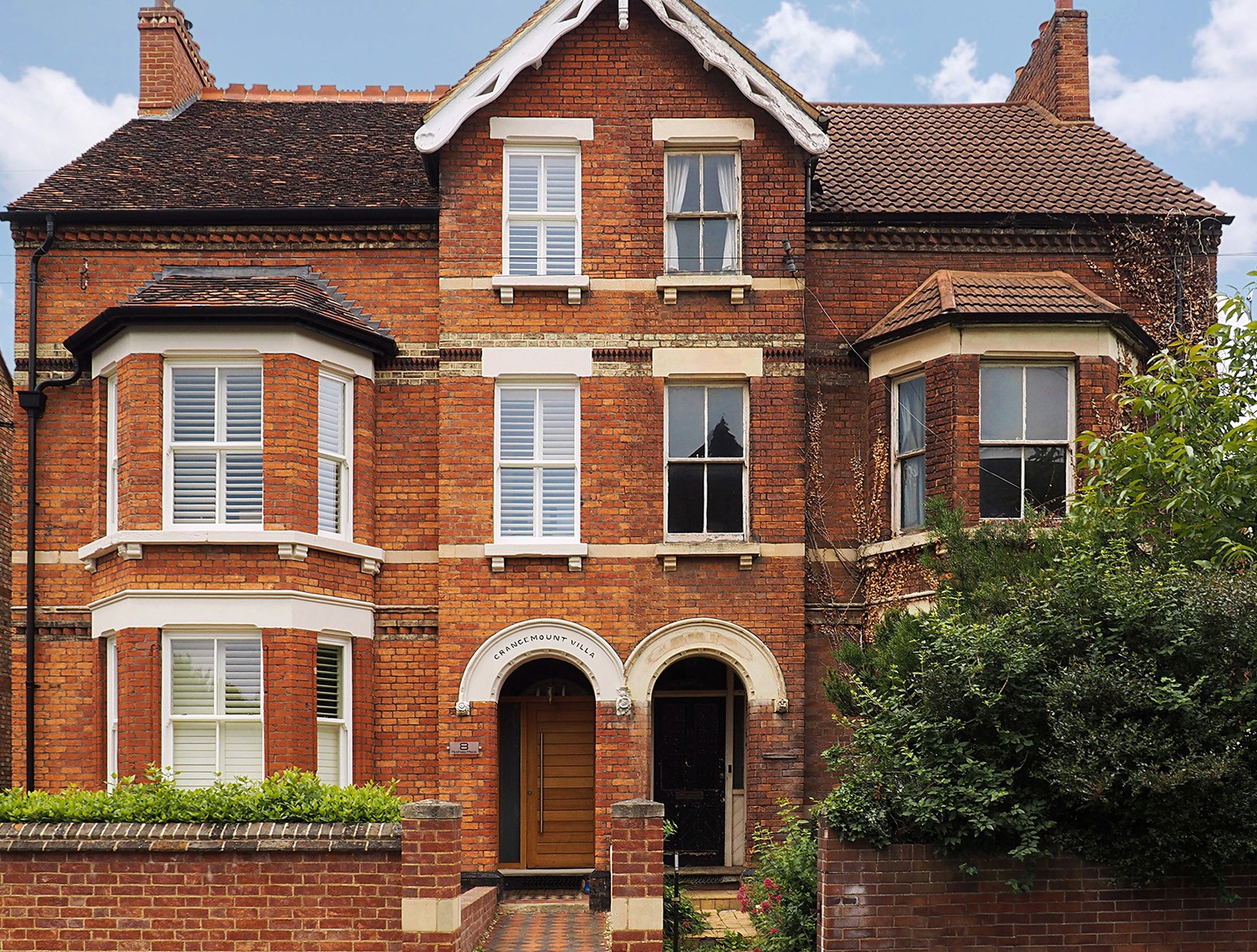
![True heritage is more than a sum of its parts [Glass Times]](https://www.roseview.co.uk/wp-content/uploads/2021/04/UR-WISTERIA-EDITED-4.jpg)
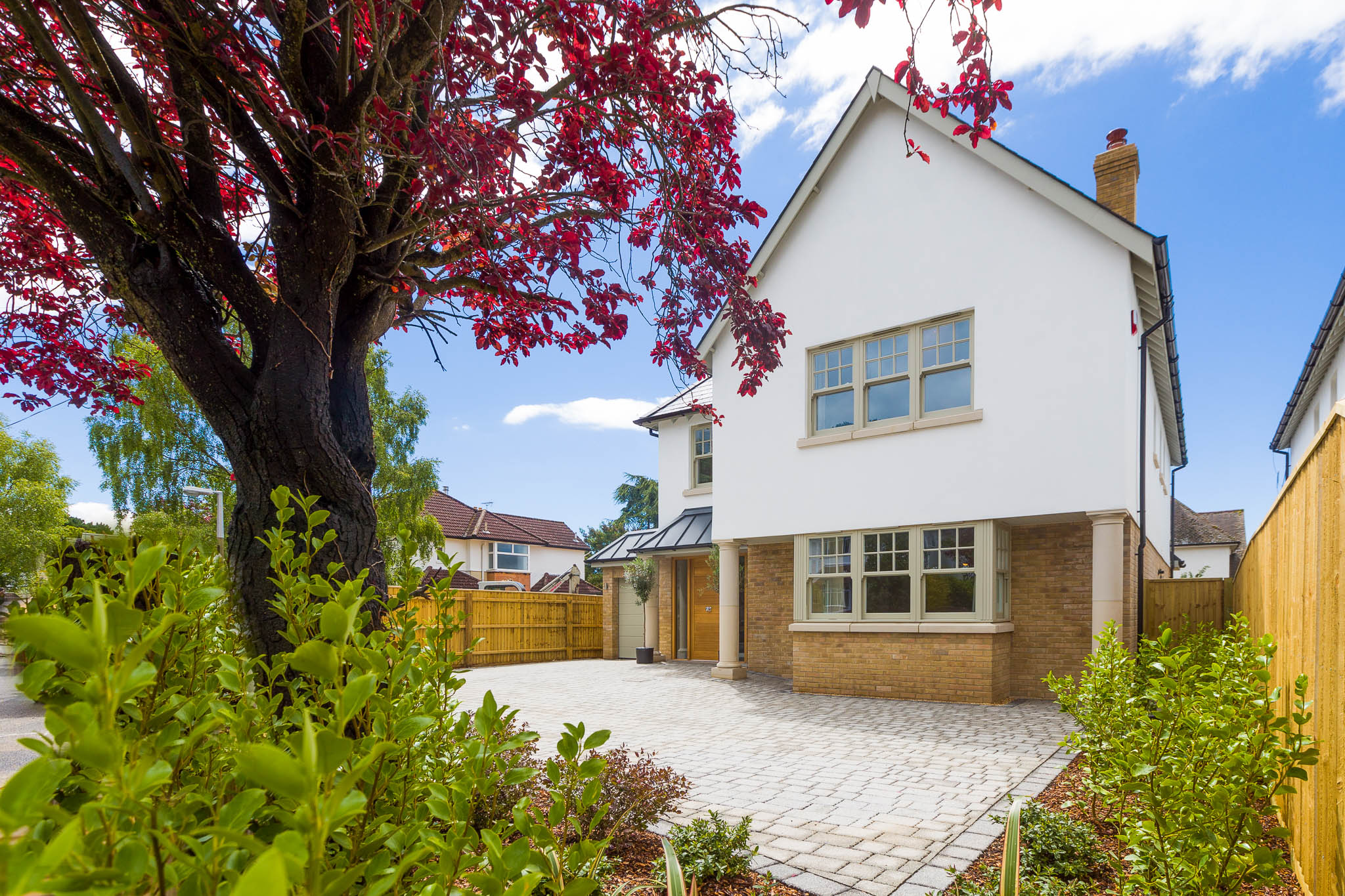
![Heritage depends on authenticity [Windows Active]](https://www.roseview.co.uk/wp-content/uploads/2022/10/UR-Cream-Centurion-July19-4.jpg)